The exact name matters
To know what you are talking about, start with the compound’s name and full composition. Two products both called “peptides” can be completely different.
This site is for adults aged 21 and over only. The products are labelled for research use only and are not intended for human use, treatment or diagnosis.
By entering the site you confirm:
Your choice is kept on this device for 30 days.
Accurate information on every compound · with sources
This is where you order the five Lab Peptides compounds. For each one: what it’s studied for, where the research stands, and its price. Send a request, we call you back to confirm, and you pay cash on delivery or pickup.
Kosher Body is the shop. Lab Peptides is the brand on the vials.

First, the basics
Peptides are molecules made of a chain of amino acids, the building blocks of proteins. Peptides are shorter than proteins, and in the body some of them act as signals between cells. Insulin, for example, is a peptide hormone. The word describes a broad family of compounds, and each one has its own structure and properties. [1]
To know what you are talking about, start with the compound’s name and full composition. Two products both called “peptides” can be completely different.
Cell studies, animal studies and human trials answer different questions. When you read about a compound, check who was studied, what was measured and how long the follow-up lasted.
The label Research Use Only means the product is for research only. A product marked this way is not intended for treatment or for use in humans, and the label is not proof of safety or efficacy.
The collection
The notes below describe what each compound is and its research context. For questions about composition or availability, contact us.
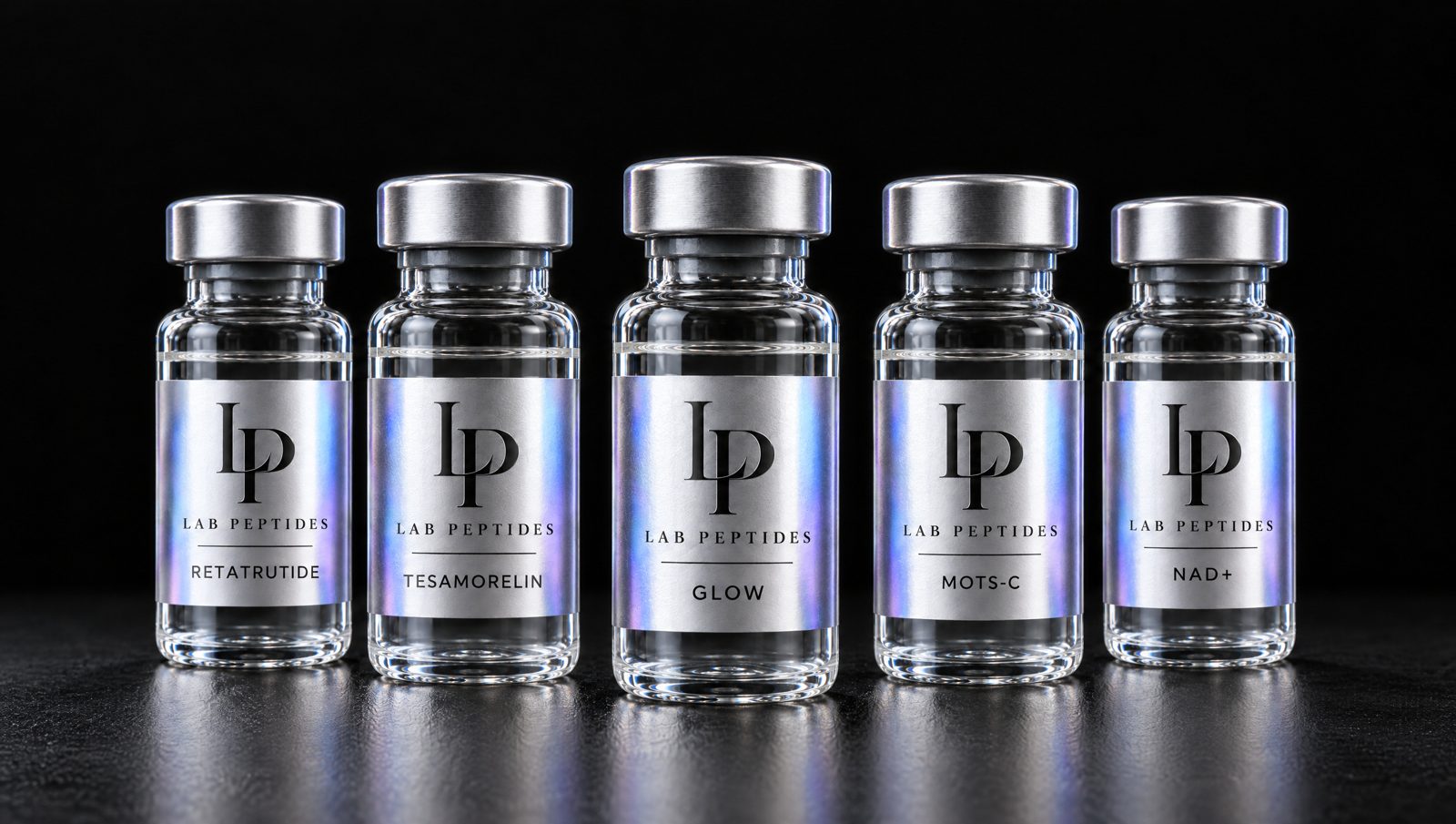
In clinical trials
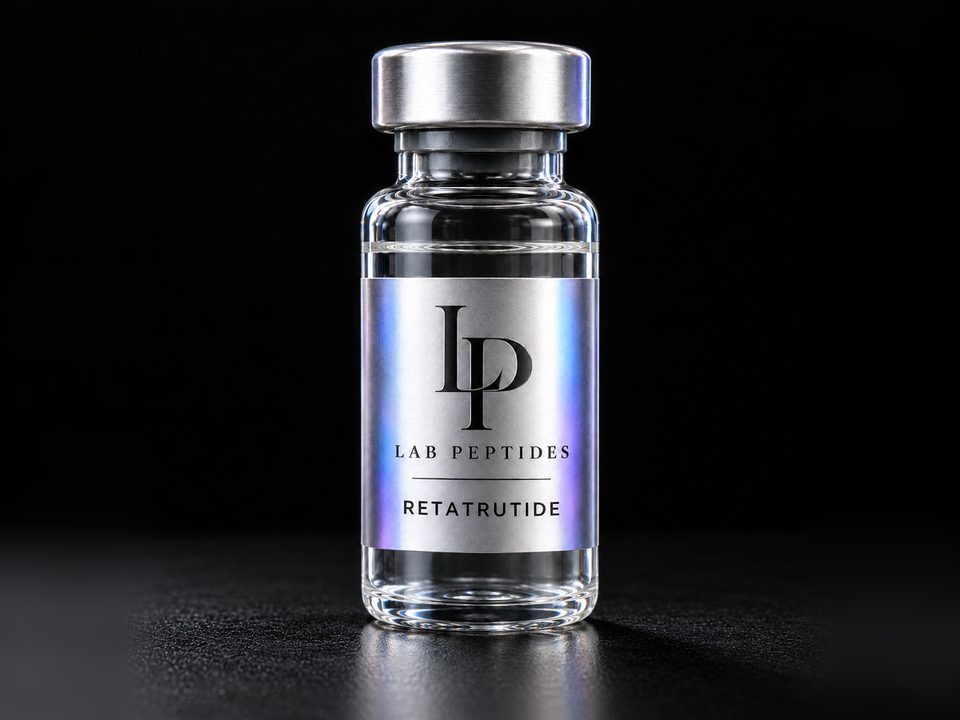
An investigational peptide from the drug company Lilly.
What it’s studied for: Obesity and overweight, and type 2 diabetes. Some trials also looked at sleep apnea and knee pain in people with obesity. [2] [9]
Where the research stands: Phase 3 human trials, the last stage before applying for approval. Several large trials reported results in 2025–2026. Not approved as a medicine. [2] [9]
A compound studied for obesity and diabetes that acts on three receptors: GIP, GLP-1 and glucagon. According to the developer’s July 2026 update, it is still in clinical development. [2]
Good to know: The product in our collection is labeled for research use only. Sharing a name with a compound under study does not show that a commercial product is equivalent to the trial drug.
Keep in mind: The trials mainly reported nausea, diarrhea and vomiting. [9]
₪300per vial
Order request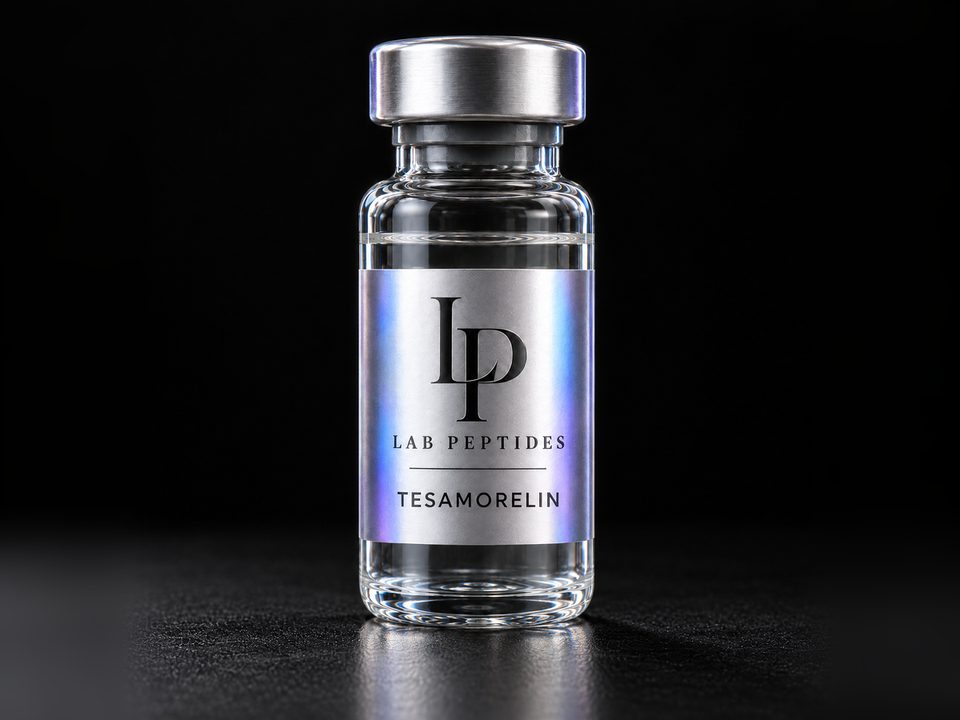
Mimics a natural hormone
A peptide that mimics a natural hormone in the body.
What it’s studied for: Deep belly fat and fatty liver. [3] [10]
Where the research stands: A prescription drug is approved in the US for one use only: reducing excess belly fat in adults with HIV and lipodystrophy. It is not meant for general weight loss. Fatty liver was tested in a trial in people with HIV and is not approved. The product here is not the drug. [3] [10]
An analog of GHRH, the hormone that releases growth hormone. A separate prescription drug based on it has a defined use: reducing excess abdominal fat in adults with HIV and lipodystrophy. According to MedlinePlus, it is not intended for general weight loss. [3]
Good to know: The product in our collection is a research compound, not the prescription drug.
Keep in mind: The drug’s reported side effects include joint and muscle pain, swelling of the hands and feet, and injection-site reactions. [3]
₪300per vial
Order request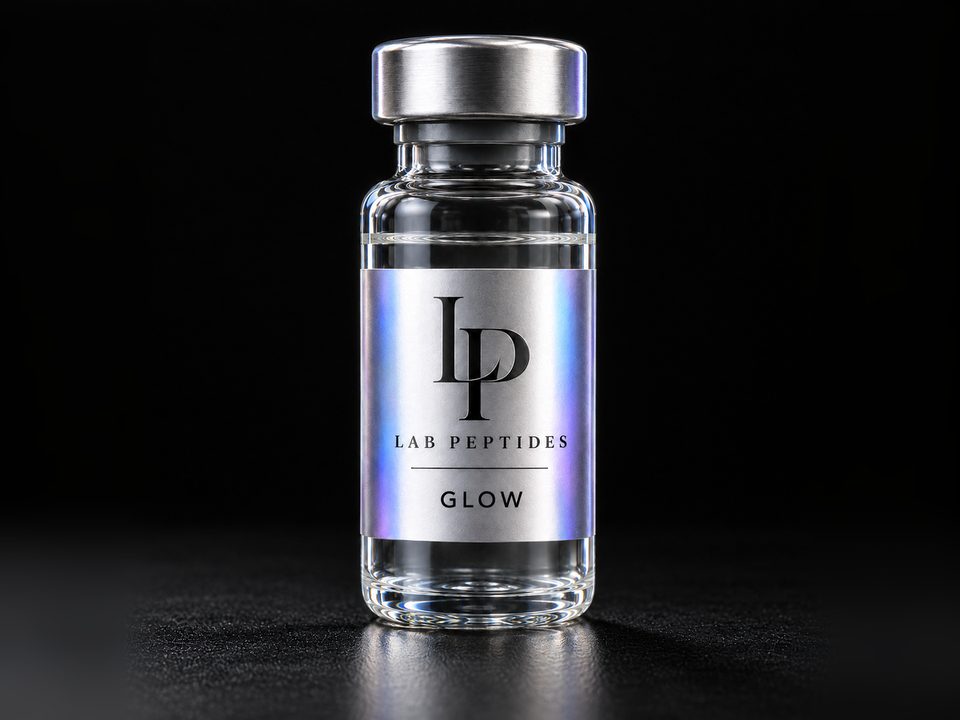
Blend
A blend of three ingredients: GHK-Cu, BPC-157 and TB-500. The amount of each is available on request.
What it’s studied for: GHK-Cu: skin, wound and tissue healing. BPC-157 and TB-500: healing of tendons, muscles and tissue. [14] [15]
Where the research stands: Most research on all three ingredients was done in cells and animals. For BPC-157, only one small human study was found. [4] [14] [15]
The ingredients: GHK-Cu is a complex of a short peptide and copper. BPC-157 is a peptide derived from a stomach protein. TB-500 is a fragment of a natural protein called thymosin beta-4. [4] [5] [15]
Keep in mind: According to the FDA, there is very little information on the safety of the three ingredients in people. BPC-157 and TB-500 are banned in competitive sport. [5] [15] [16]
₪300per vial
Order request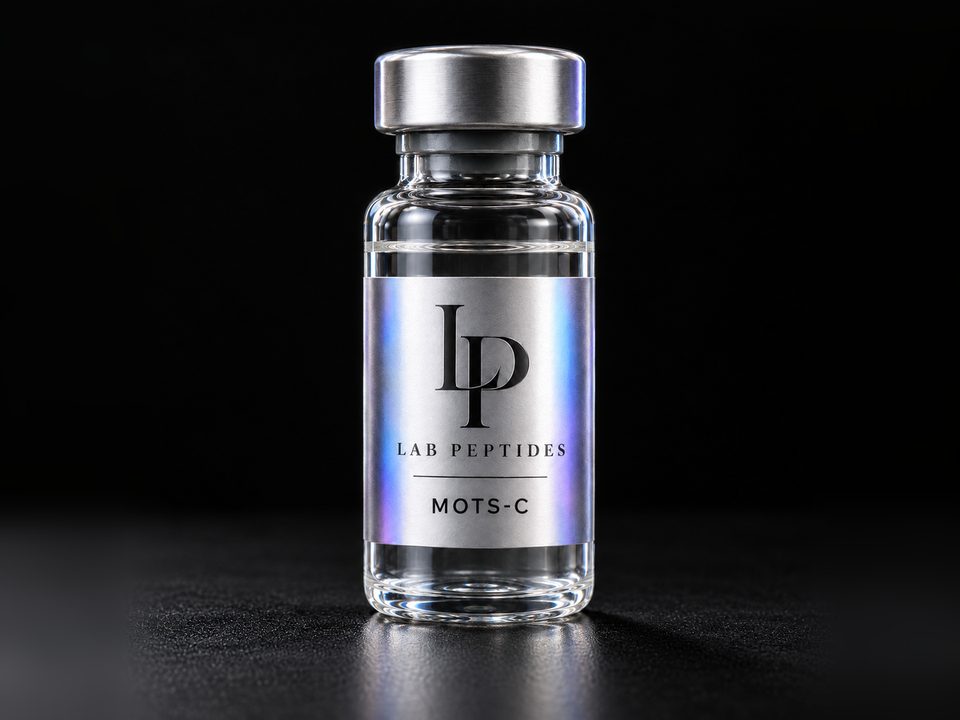
Made by the body itself
A small peptide the body makes on its own.
What it’s studied for: Insulin sensitivity, obesity and aging processes. [11]
Where the research stands: Most research was done in mice. In 2026 a first trial began in people with prediabetes and overweight, and it has no results yet. [11] [12]
A peptide linked to the mitochondria and studied in metabolism research. The FDA notes a lack of human exposure data for products containing it, which limits the ability to assess their safety. [5]
Good to know: The link between MOTS-c and cellular metabolism does not, on its own, show any outcome in people.
Keep in mind: According to the FDA, there are no human exposure data for products containing MOTS-c, so too little is known about safety. [5]
₪300per vial
Order request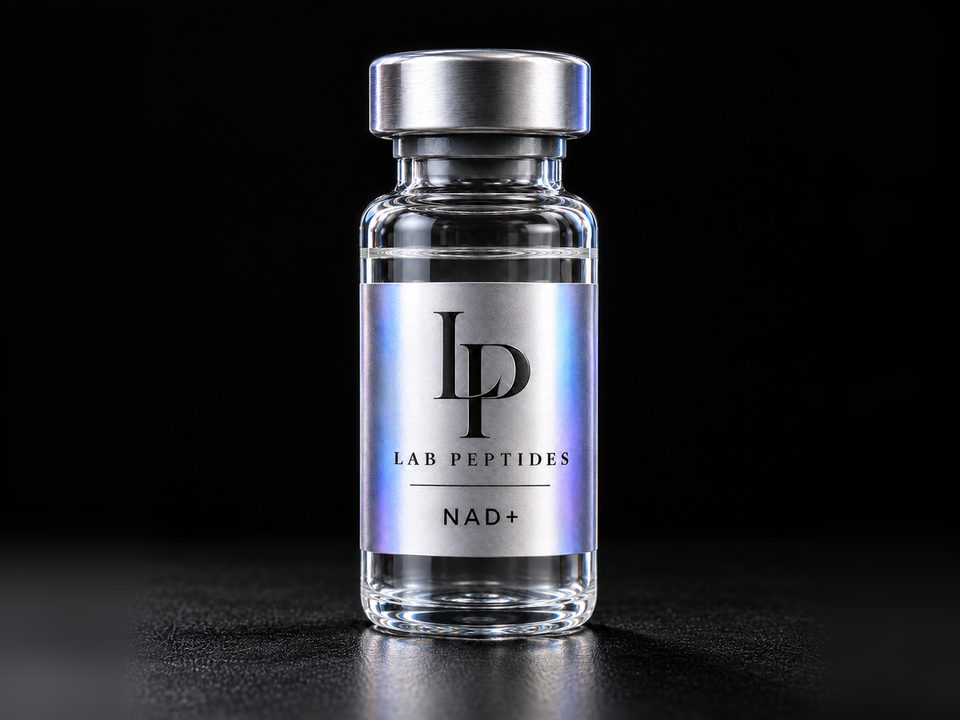
Not a peptide
A molecule found in the body’s cells that takes part in producing energy. It is not a peptide.
What it’s studied for: Healthy aging, cell energy and metabolism. [13]
Where the research stands: There have been human trials, mostly of pills containing compounds the body turns into NAD+. They raised NAD+ levels, but the effect on health was limited. [13]
NAD+ is a coenzyme that takes part in biochemical reactions in cells, including processes linked to metabolism and energy. Its structure is different from the amino-acid chain that defines a peptide. [6]
Good to know: A natural role in the body does not prove that a product containing the molecule improves how you feel or extends life.
Keep in mind: Most trials tested pills of precursor compounds, not NAD+ itself. [13]
₪300per vial
Order requestKnowledge that brings clarity
What do the terms mean, how do you read research results, and how do you order? Open the question that interests you.
I have another question12 questions and answers
Try another word, tap “Show all”, or send us your question.
Every compound has its own structure, field of research and purpose. “Peptide” is the name of a family of molecules, not a description of one effect. In the product cards above you can see, for example, the difference between research on Retatrutide and the defined use of the prescription drug based on Tesamorelin. [1] [2] [3]
Both are made of a chain of amino acids. A peptide is a relatively short chain, and a protein is a longer chain that usually folds into a complex structure. There is no sharp line between them. [1]
Analog: a molecule designed to resemble a natural molecule, with changes to its structure.
Agonist: a compound that binds to a receptor on a cell and activates it.
For example, Tesamorelin is an analog of GHRH, and Retatrutide is studied as a compound that activates three receptors. [2] [3]
GLOW is a blend of GHK-Cu, BPC-157 and TB-500. The amount of each ingredient is available on request. In the inquiry form you can choose “GLOW composition”. The number on the front of the label is the total amount in the blend, not the amount of each ingredient.
Describing a biochemical role explains what a molecule does in a given system. To draw conclusions about energy levels or daily functioning, you need data that tested that specific outcome in people.
A useful question: Did the study measure a change in a cellular process, or a change the participants actually felt? These are different outcomes, and one does not automatically follow from the other.
Before the big number in the headline, check four things:
For example, a cell-culture study cannot on its own answer what happens to an individual person. The product cards link to sources so you can check the context.
No. Trial results describe the participants and the study conditions. They do not promise an outcome for any individual, and they certainly do not prove an outcome for another product with the same name.
A group average does not necessarily describe every participant’s experience either.
A test document (COA) shows lab test results for a specific batch. If you are shown one, check six points:
High purity does not mean safe, and a quality document is not a substitute for clinical data.
Purity is one aspect of a compound’s quality, based on the test that was done. On its own it says nothing about sterility, the absence of endotoxins or safety for use in humans. Sterility and endotoxin tests cover separate aspects. [7] [8]
No. An order request is not a charge or a payment. Once it is saved, we call you back to confirm availability and details. Delivery in central Israel costs ₪50, and pickup is also available. Payment is cash only, and the site has no card payments or payment links.
By phone or WhatsApp, as you choose in the form. You can leave any number, including a kosher phone.
Your details are sent securely to our server and stored in our inquiry system only so we can get back to you. They are not sent to measurement tools. No medical details are needed. If sending fails, your details stay in the form and you can try again.
More details in ourprivacy policy.
A question about a compound or an order
Leave your name and phone number, pick a topic and tell us what you’d like to know. We’ll get back to you by phone or WhatsApp, as you prefer. We reply in English.
The explanations are based on the sources below, checked on 4 October 2026. The sources describe the compounds and the research, and are not an approval or test of the brand’s products.